The NRM Deputy Secretary General, Rt. Hon. Rose Namayanja Nsereko, has commended the College of Veterinary Animal Resources and Biosecurity (COVAB) at Makerere University for its efforts to develop cost-effective innovations in animal nutrition aimed at improving livestock productivity and farmers’ livelihoods.
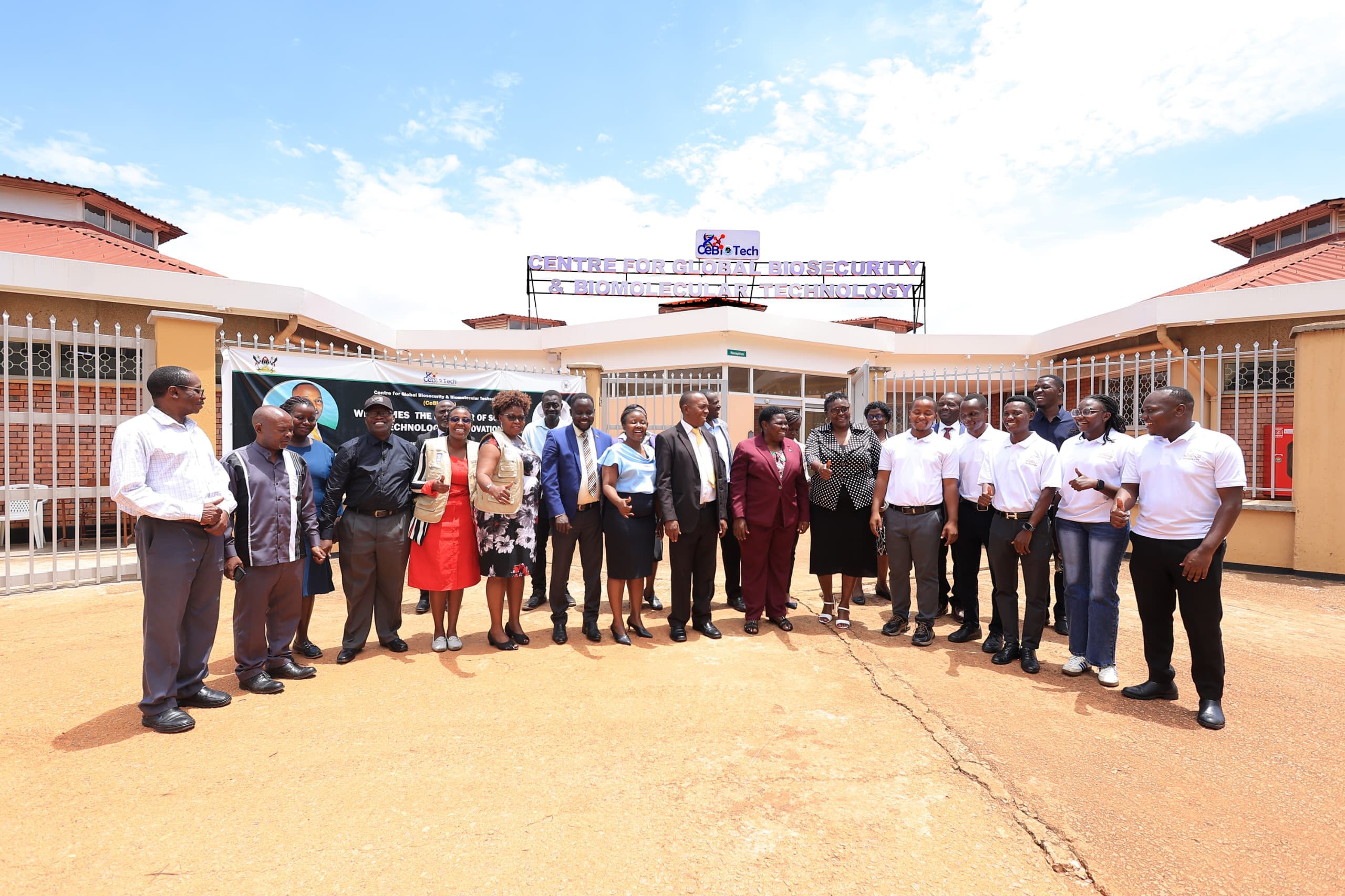
Namayanja made the remarks on Monday during a visit to COVAB, where she interacted with the Principal, the Dean of the School of Biosecurity, Biotechnical and Laboratory Sciences, their respective teams, and representatives from Anaweza Nutrition Academy and the Animal Resources Research and Training Institute for Southern Africa (AFRISA).
During the visit, she toured demonstration farms showcasing Azolla cultivation, an innovative approach being explored as a source of supplementary feed for livestock. She expressed interest in the use of Azolla and other alternative feed resources to improve animal nutrition, reduce feeding costs, and support more sustainable livestock production.
Discussions centred on how the technologies could be introduced and scaled up among beneficiaries of the Parish Development Model (PDM) through practical demonstrations, farmer training, and the establishment of hands-on learning centres.
The engagements also explored ways to equip farmers with practical skills in Azolla cultivation, harvesting, and its appropriate use as a supplementary feed ingredient, with the aim of improving livestock health and productivity while making animal production more affordable.
Accompanied by some extension officers, Namayanja further discussed opportunities for strategic collaboration between the university and PDM implementation structures to provide practical training in animal nutrition, feed quality management, and applied agricultural research tailored to farmers’ needs.
“This partnership will help bridge the gap between the innovative solutions emerging from our academic institutions and the everyday challenges faced by farmers, while strengthening their knowledge, skills, and capacity for sustainable livestock production,” Namayanja said.
She noted that making practical agricultural innovations accessible to farmers could help improve farm productivity, lower production costs, increase household incomes, and contribute to the objectives of the Parish Development Model.
Namayanja also expressed interest in strengthening collaboration with COVAB, Anaweza Nutrition Academy, and AFRISA to popularise Azolla farming and other affordable, sustainable agricultural practices.
“We look forward to working closely with COVAB, Anaweza Nutrition Academy, and AFRISA to popularise Azolla farming and other innovative, affordable, and sustainable agricultural practices,” she added.
The proposed collaboration is expected to focus on connecting scientific research and practical agricultural knowledge with the needs of farmers, particularly those seeking affordable ways to improve livestock production and strengthen household incomes.
Through practical training, knowledge-sharing, and partnerships with research and academic institutions, the initiative seeks to empower farmers with the skills and technologies needed to enhance productivity, build resilience, and improve their livelihoods.
The engagement also highlights the potential role of universities and agricultural research institutions in supporting the dissemination of appropriate technologies to farmers and strengthening the implementation of agricultural development initiatives such as the Parish Development Model.